
The Most Spiritual Places in the World, & the Earth Chakras

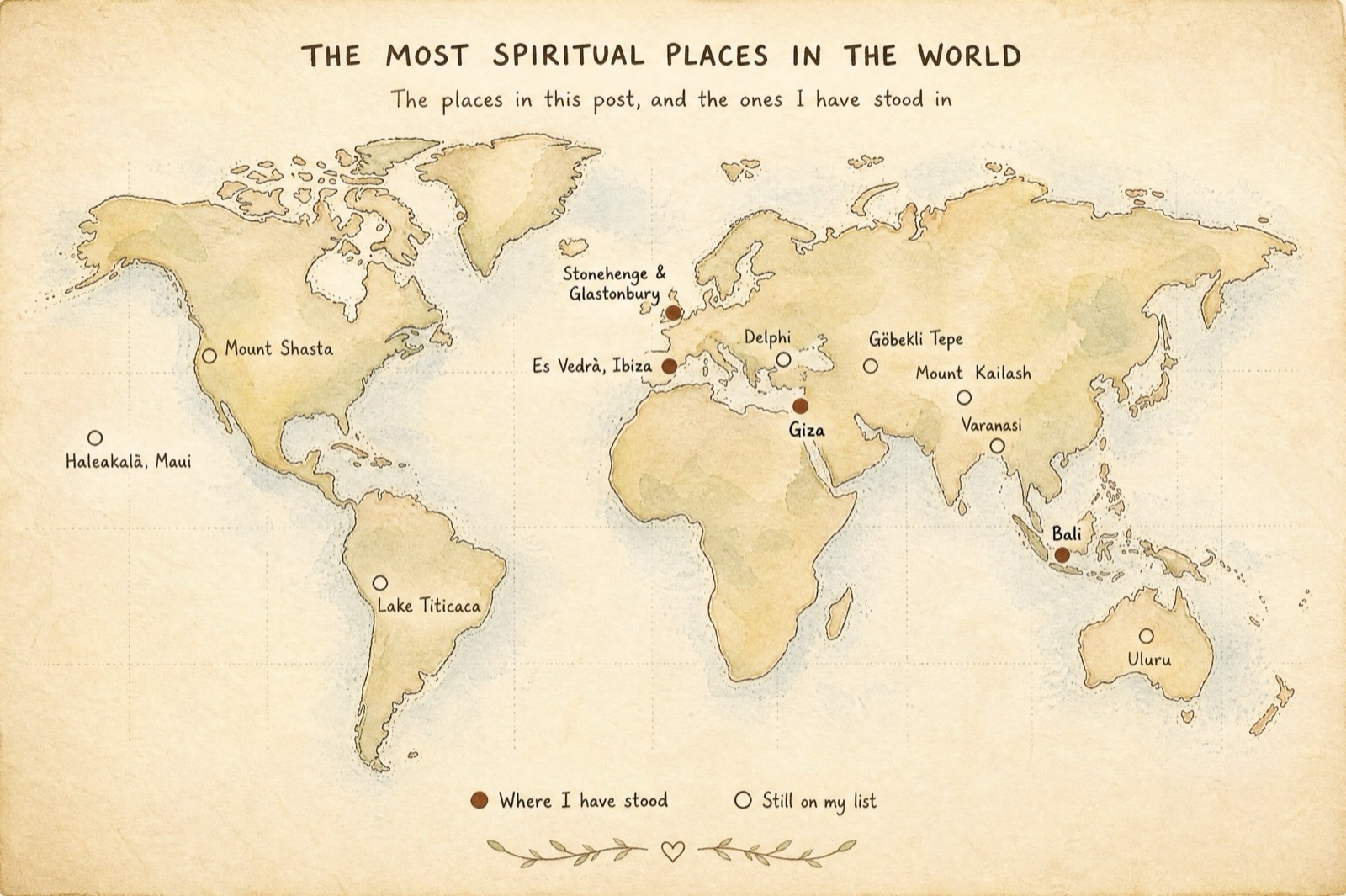
The places named most often as the most spiritual on earth are Uluru in Australia, the pyramids at Giza, Mount Kailash in Tibet, Mount Shasta in California, Bali, Haleakala on Maui, Lake Titicaca in Peru, and Stonehenge and Glastonbury in England. Some are sacred to a living culture, some carry a legend, and all of them have drawn people to stand in one particular place for thousands of years.
The land is the thing that touches me. I have stood in front of old stones and open water and felt my heart flutter, for no reason I could explain afterwards.
I have spent most of the last twelve years following that feeling around the world. I have lived in a handful of countries and been on well over a hundred flights, following my heart and using it as a compass. Most of those journeys were planned around a sacred site I wanted to stand in front of rather than a city I wanted to see. Usually without a good reason, and occasionally without a plan.
Have you ever arrived somewhere new and felt the place take hold of you? Not liked it. Felt it. Known, in a way you could not describe to anybody, that this was a place you needed to be. It almost feels as though a magnet is pulling you in.
I cannot count the number of times I have said to myself, out loud, in an airport: I do not know why I am going, but I know that I need to.
The first time was Stonehenge. I was lucky enough to go when I was twelve, and I was absolutely mind blown by the sheer size of those giant stones. I stood there wondering how they came to be there, and why, and nobody has ever settled either question. That was the afternoon I knew there was something greater than me.
Where the earth chakras & ley lines actually came from
You will hear these places called the chakras of the earth, joined by ley lines: currents of energy running between ancient sites, pooling where they cross.
I love this idea. I love it more now that I know where it came from, because the story has names and dates in it, and almost nobody tells you them.
It begins with an Englishman called Alfred Watkins. In 1921 he was out riding in Herefordshire when he noticed that old churches, standing stones, hilltops and river crossings seemed to fall into straight lines across the countryside. He called them leys, borrowing an Old English word for a cleared space, and he thought they were something quite ordinary: ancient trading routes, laid straight because straight is the sensible way to walk. There is no energy anywhere in Watkins.
The energy arrived in 1969, in a book called The View Over Atlantis by John Michell. Michell took those straight lines and read them as currents of spiritual force, and he borrowed that reading openly from Chinese geomancy. He is also where the St Michael's Line comes from, the most famous ley of them all: about three hundred and fifty miles from Land's End to the Norfolk coast, touching St Michael's Mount and Glastonbury Tor on the way, and pointing at the sunrise on the eighth of May, the day the old Latin calendar keeps for the appearance of St Michael.
Then it went global. In 1973 three Russians, an artist, a construction engineer and an electronics specialist, published a piece in a Soviet science magazine called Chemistry and Life under the title "Is the Earth a Giant Crystal?" They laid an icosahedron over the globe and marked where its points came down. Ten years later an American pair, William Becker and Bethe Hagens, worked that up into the grid map you have seen shared a hundred times with nobody's name on it.
And the earth chakras are the work of two men, working at the same time and not agreeing with each other. Robert Coon announced in January 1971 that Glastonbury was the heart of the world, and spent decades placing the rest: Mount Shasta at the base, Lake Titicaca, Uluru, Giza at the throat, Mount Kailash at the crown, and a third eye he holds as moving rather than fixed. Kenneth Grant published his own set the following year, in a book called The Magical Revival, and put the sacral centre in ancient Sumeria, the crown at Arunachala in southern India and the third eye somewhere beyond the Himalayas.
They agree on the heart and very little else.
That is why no two of these maps you find online match. Some give the throat to the Great Pyramid, some to Mount Sinai, some to the Mount of Olives, and plenty give it to all three at once. Some put the root at Mount Shasta and some at Mount St Helens. Coon also named twelve Foundation Gates on top of the seven, which is where the people insisting there are twelve earth chakras have got to, and four of those he calls Spinner Wheels.
Coon also drew two currents around the world and called them dragon lines. The female one runs from Uluru through Bali, Mount Kailash, Glastonbury and Lake Titicaca. The male one comes up from Mexico through Mount Shasta, Mount Fuji, Bali and Titicaca. Drawn on a flat map they cross into a long figure of eight, which is the shape you will recognise from every version of this diagram that has ever been shared.
They cross at Bali, which is why Bali gets called the purification centre of the earth. I have nothing useful to say about the lines. I do think purification is the right word, because Bali took me apart and put me back differently, and nearly everybody I know who has stayed there any length of time says some version of the same thing. It was transformational and it was awful, often in the same week. It is a beautiful place and it is not a soft one.
One thing worth saying plainly. Coon called the female current the Rainbow Serpent, and the Rainbow Serpent is not his. It is a creator being belonging to Aboriginal Australia, borrowed into a system built in the 1970s by an American. The two are not the same thing and the older one was not asked.
Which means the list you are about to read is largely Coon's, and there was never a version everybody signed. I find that beautiful rather than disappointing. Two men decided where the heart of the world was, landed on the same field in Somerset by different routes, and enough of us have felt something standing in these places that the idea has outlived them both.
Dragon veins, marma points & the lines out of Cusco
Long before any of that, people were already saying the land carries something.
China has dragon veins, long mai. In feng shui, qi is born at the summit of a mountain and runs down along the ridges the way water finds its way, and reading where it gathers is old and formal, worked out by the landform school more than a thousand years ago. Ranges are called dragons because that is what a range looks like from a distance. Moving.
India has vastu shastra, which does the same reading at the scale of a single building. A site is set out as a grid with a figure pressed into it face down, the vastu purusha, and lines are drawn across him. Where those lines cross are the marma points, and you do not put a pillar, a wall or a heavy load on one. The square at the centre, the brahmasthan, is left open and clear. It is ley lines for a house, worked out centuries before anybody in England thought to draw one across a county.
Peru has the ceque system, and this one is written down rather than imagined. Forty one or forty two lines, depending who is counting, radiated out from the Coricancha, the sun temple at the centre of Cusco, and strung along them sat three hundred and twenty eight huacas, shrines, each one tended by a particular family. A Spanish priest named Bernabe Cobo recorded the whole arrangement in 1653, and archaeologists have been walking and mapping it ever since.
Aboriginal Australia has songlines, and they are not an energy grid. They are the routes the creator beings travelled, held in song, and the song is exact enough to navigate by: sing it in order and it gives you the waterholes, the ridges, the turnings. They belong to the people who hold them, and they are not mine to summarise.
What I notice is the shape that keeps repeating. People standing in a landscape, deciding it is speaking to them, and building something to remember where.
Here is the more useful truth, and it is the one this whole article is really about: certain places make people feel something, reliably, across centuries and across cultures. Whether that is geology or magnetism or the accumulated attention of a million people who came before you, I do not know. It happens anyway.
Your own map, which is astrocartography
There is a personal version of all this, and it is younger still. Astrocartography was worked out in the 1970s by an American astrologer called Jim Lewis, who took the chart of your birth and laid it over a map of the world, so the planets sitting on your angles at the moment you arrived draw lines across the globe. Where a line runs is where that part of you is supposed to get louder. He patented it in 1981, which I think is the most gloriously modern thing ever to happen to a mystical idea.
I did not take it seriously until I looked at my own. My Jupiter line runs down the east coast of Australia. My partner's sits close to it, out between here and New Zealand. That is not the only reason we moved here, but it is one of them, and we arrived knowing exactly what we were hoping the place would open up.
He has lines through Mexico as well. When we were living there, what happened to him was an initiation into his own power, and I have never found a tidier word for it than that.
Which brings me to the thing I actually believe, and it is why this section is here at all. The lists are the same for everybody. The experience is not. Some places will do more for you than they will ever do for me, and the other way round. We are not all built to the same blueprint, and I think that is the honest answer to why one place can take a woman apart and leave the woman standing next to her completely cold.
None of this is a passing interest for me. Where to live, and what a place quietly does to the people inside it, is a question I have circled my whole adult life. It is also the work: my partner and I run Inphinity Design, where we shape sacred spaces around the world using frequency, proportion and sound. Which is the same conversation this article is having, several thousand years later.
The most spiritual places in the world, one by one
A word on what follows, so you know what you are reading. Some of these places sit somewhere in Coon's system and some do not. Uluru, Lake Titicaca, Mount Shasta, Glastonbury, Giza, Mount Kailash and Bali are all on it. Varanasi, Delphi, Gobekli Tepe, Maui and the sites in Mexico are not, or only catch the edge of it.
I have kept them all. The grid is one man's idea from the 1970s. The places were doing this to people for thousands of years before anybody thought to draw a line between them.
Uluru, Australia
Ayers Rock, Kata Tjuta & the solar plexus on Coon's map
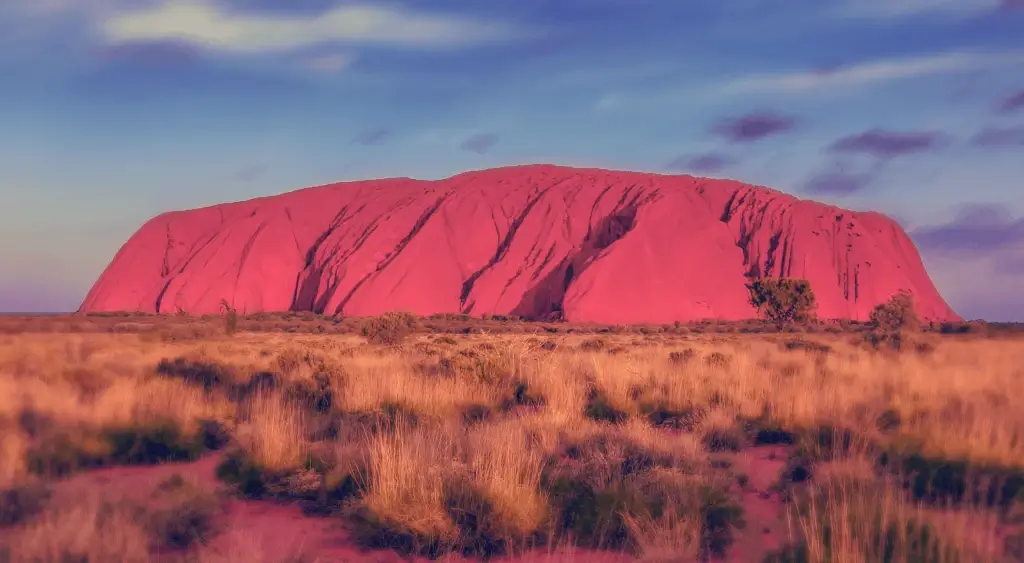
Uluru stands with Kata Tjuta, the domes twenty five kilometres west, and it sits in the centre of the desert, and the rock itself is ancient beyond useful comprehension: the sand that became it was laid down something like five hundred million years ago.
It belongs to the Anangu people, who have been its custodians for tens of thousands of years and who asked visitors not to climb it long before the climb was finally closed in 2019.
The law that holds it is called Tjukurpa. It covers the beginning of the world, the right way to behave, and the relationships between people, plants, animals and the land itself, and it is not written down anywhere. It is memorised, and passed to the people who have the right to receive it. The stories held there are theirs. They are not mine to summarise, and the internet's habit of flattening them into a paragraph about earth energy does them no favours at all.
What I can tell you is what anybody can tell you: it changes colour with the light, running from deep red through grey to something close to violet at the edges of the day, and every person I know who has stood in front of it has struggled to describe the experience afterwards.
I was born in this country and I have still not been. I cannot wait to go.
Cairo, Egypt
The Great Pyramid, the throat on most versions of the map
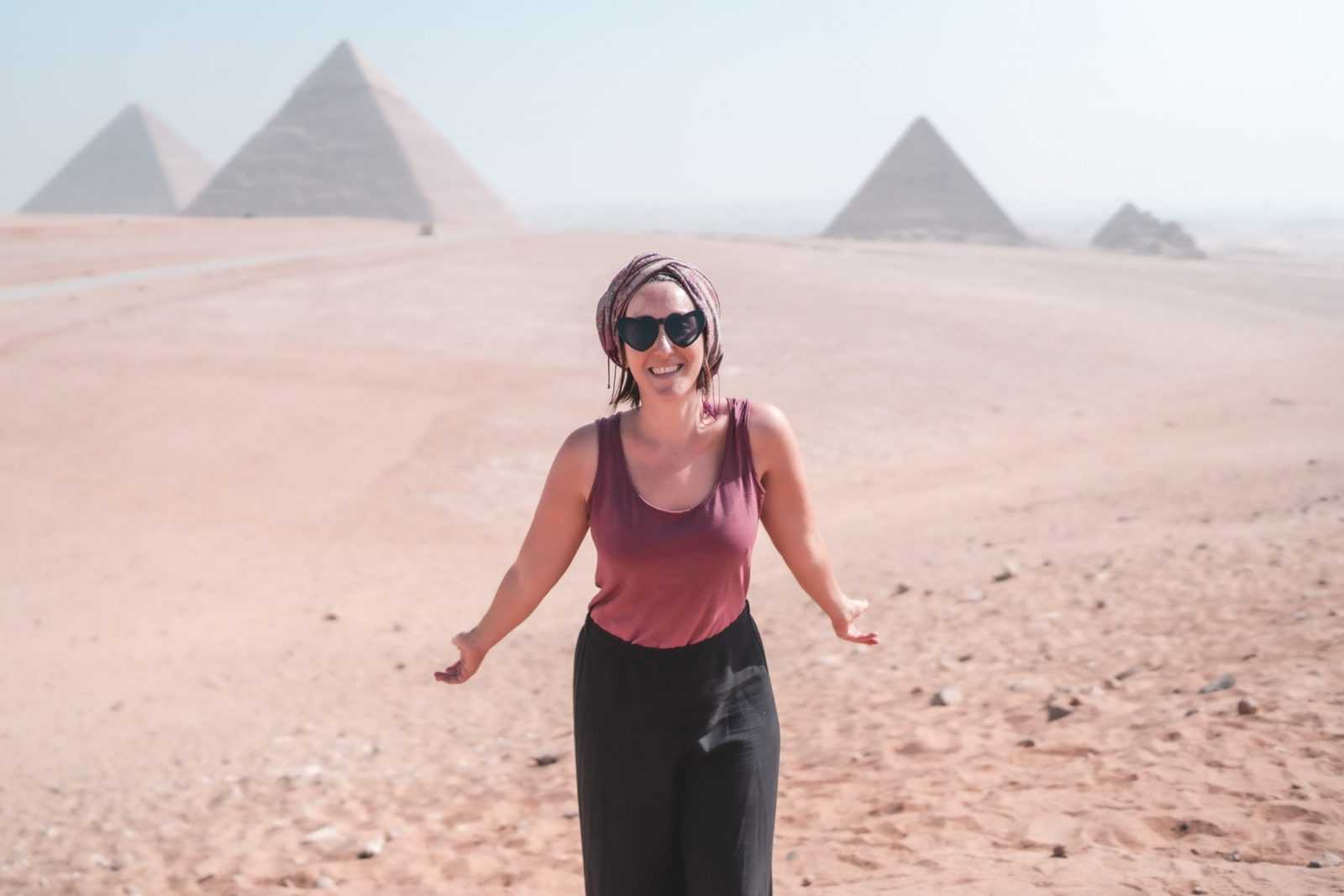
I have been, and I understand now why the Great Pyramid is on every list ever written.
The scale of it does not survive photography. You arrive expecting to have seen it already, because you have seen it a thousand times, and then you stand at the base and realise not one of those photographs showed you how big it is.
Then I went inside, and up into the King's Chamber, and that is the part I would go back for tomorrow.
You climb the Grand Gallery to reach it, which is long and steep and narrow, and then the passage opens and you are standing in a room lined entirely in granite, hauled up from Aswan, over nine hundred kilometres to the south. There is nothing in it. One sarcophagus, no lid, cut wider than the way in, which means it was set down in there while the pyramid was still being built up around it. No paintings. Not one mark on the walls, in a country that decorated absolutely everything.
You will hear people say there are inscriptions in there, and it is worth untangling because it is half true. Not in the chamber. Above its ceiling sit five sealed spaces, and when Howard Vyse blasted his way into them in 1837 he found work gang marks daubed in red ochre, Khufu's name among them. There has been an argument ever since about whether Vyse painted them himself. Egyptologists mostly say he did not. The argument has never gone away.
What I did not expect was the sound. The room answers you. Whatever you say in there comes back changed and it moves through you rather than past you, and everybody who goes in goes quiet at the same moment for the same reason. I work with proportion and sound for a living now. I have still not stood in another room that does what that room does.
I am not going to tell you this is a settled question, because I do not believe it is. Egyptologists have evidence and they have theories, and the workers' village and their records are a real part of that. But I have stood at the base and looked up, and none of the explanations have ever felt big enough for the thing in front of me. I cannot make it make sense. Whatever happened here was done at a level I am not sure we could match now, and I would rather say plainly that I do not know than pretend that I do.
Egypt has shaped my work more than anywhere else I have been. The symbolism I met there stayed with me and still runs underneath how I hold ceremony and how I teach.
Gobekli Tepe, Turkiye
Potbelly hill & the oldest temple anybody has found
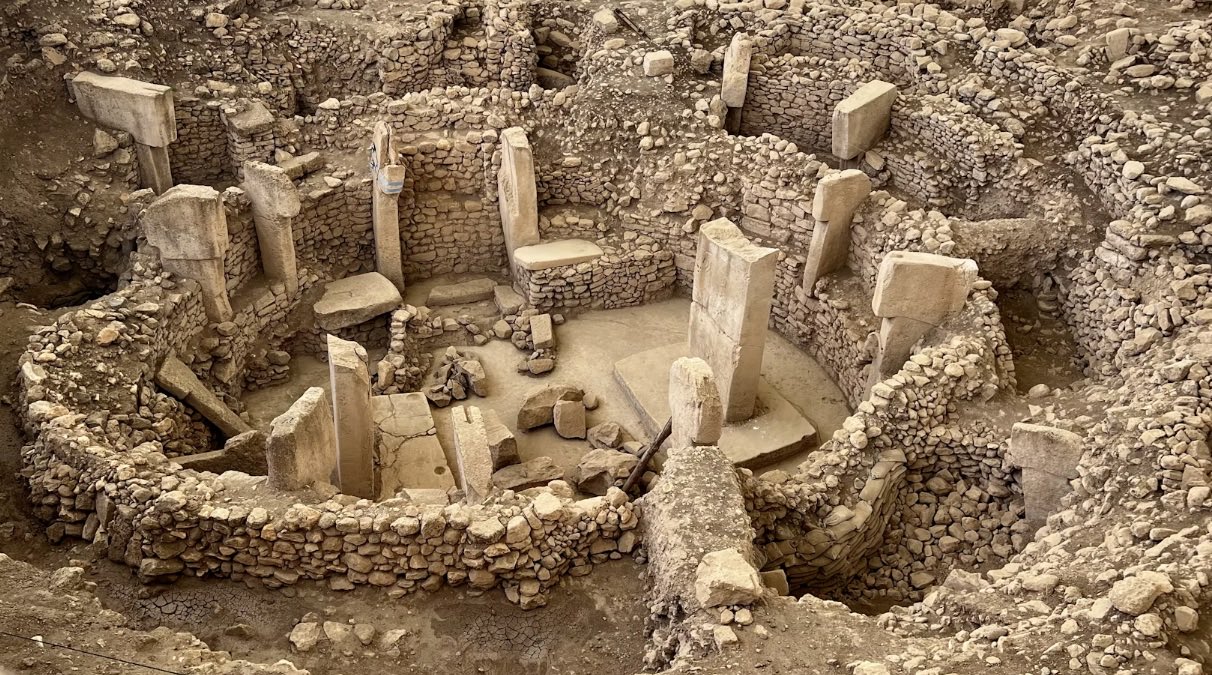
Circles of carved stone pillars in the south east of Turkiye, some of them five metres tall and weighing tens of tonnes, raised around eleven thousand years ago. That is six thousand years before Stonehenge, and six thousand years before anybody anywhere invented writing.
The people who built it had no pottery and no farming. They quarried those pillars, carved foxes and boars and cranes into them, and stood them upright in rings.
At some point the whole site went under the ground. You will read that they buried it deliberately, and that is one idea, but it is not settled. Others think the hillside came down over it slowly across thousands of years. An earthquake would do it. Nobody knows.
Nobody knows what the circles were for either, or who these people were, or what they called themselves. It is the oldest thing of its kind anybody has found, and it was made by people we had assumed were not yet capable of making anything at all. That is the part I keep turning over. Somebody was standing on that hill shaping stone eleven thousand years ago, and we have no idea who they were.
I lived in Turkiye, because my partner is Turkish, and there is so much there beyond this one site. Efes was remarkable. We have still not made it out to Gobekli Tepe, and it is the one we keep saying we will do next.
Delphi, Greece
The omphalos, which the Greeks called the navel of the world
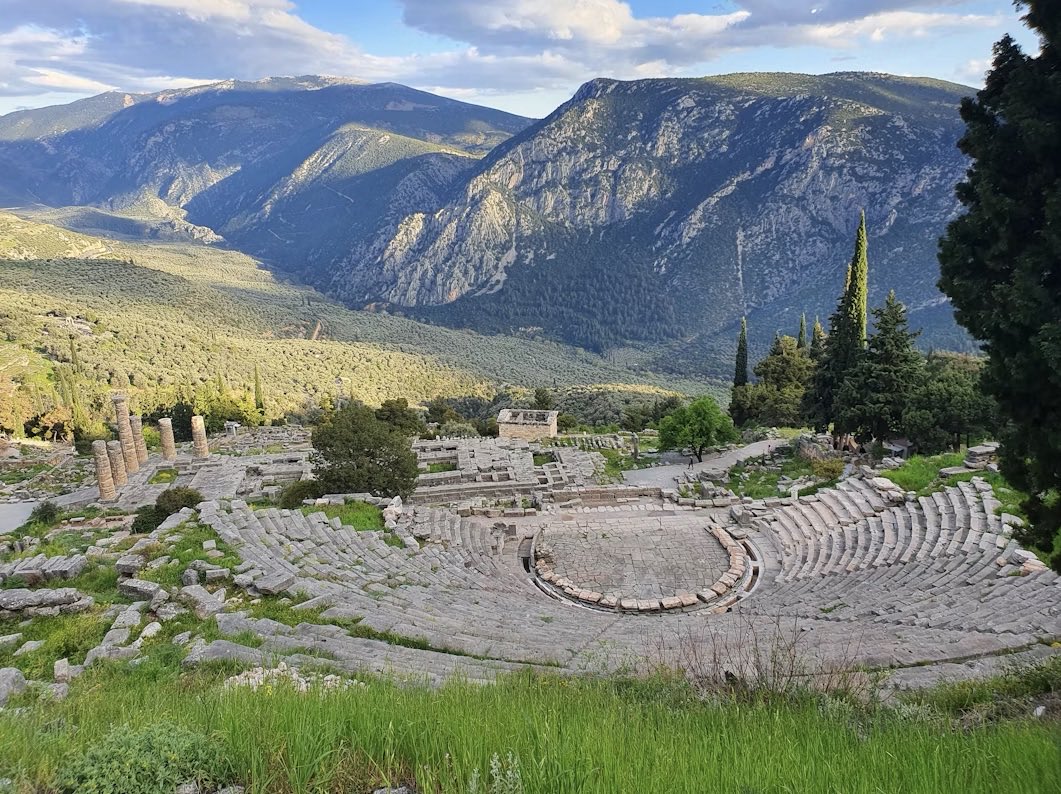
The Greeks called this the navel of the world and they meant it plainly. The story is that Zeus let two eagles go from opposite ends of the earth and let them fly towards one another, and where they met he set a stone to mark the centre. The stone is the omphalos, which is the Greek word for navel, and it was kept here.
Before Apollo it belonged to Gaia, the earth herself, and a serpent guarded it. Apollo killed the serpent and took the place, and the priestesses who spoke for him afterwards were called the Pythia, named for the thing he killed.
For centuries you did not start a war, found a city or make any decision that mattered without coming here to ask first. It sits on the side of a mountain looking down a valley full of olive trees, and the theatre and the temple are still standing in it.
Mount Shasta, California
The root in both systems & a lost continent
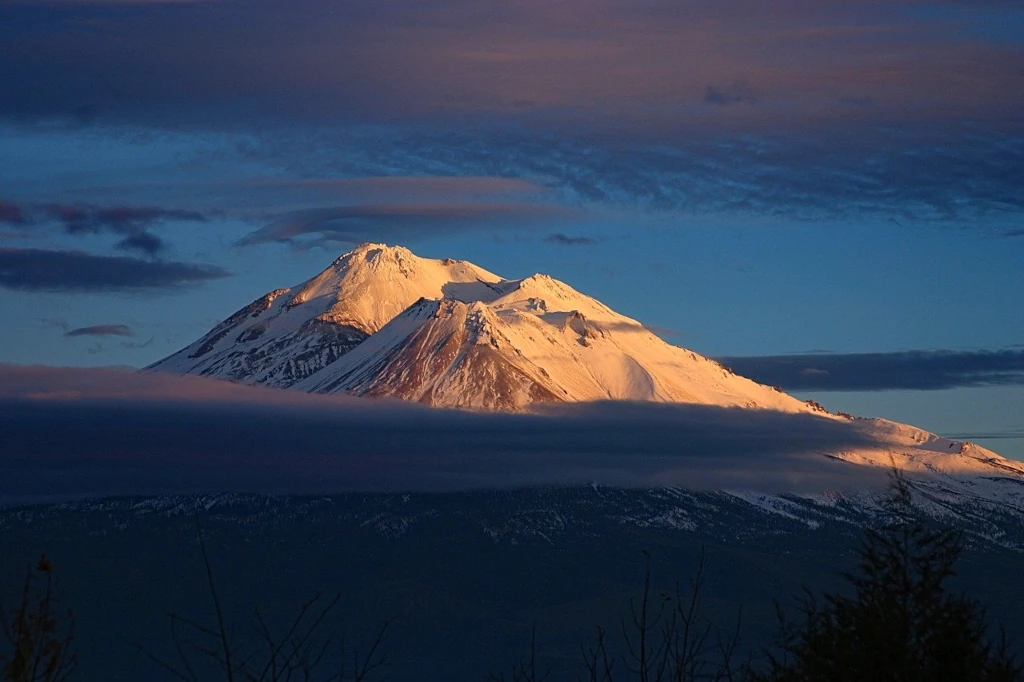
The root is the one thing Coon and Grant agreed on besides Glastonbury. A volcano in northern California, ringed by dark forest, and one of the most storied landscapes in the United States.
It is sacred to several Native peoples of the region, including the Winnemem Wintu, Shasta, Modoc and Achomawi, and ceremony still takes place there. It has also gathered a century of other traditions around it, Lemuria among them, which is a lost-continent legend rather than a historical one. Both layers are part of what the mountain is now.
People go there specifically to sit with something larger than themselves, and mostly they report that it works.
Varanasi, India
Benares, Kashi & a city that has never emptied
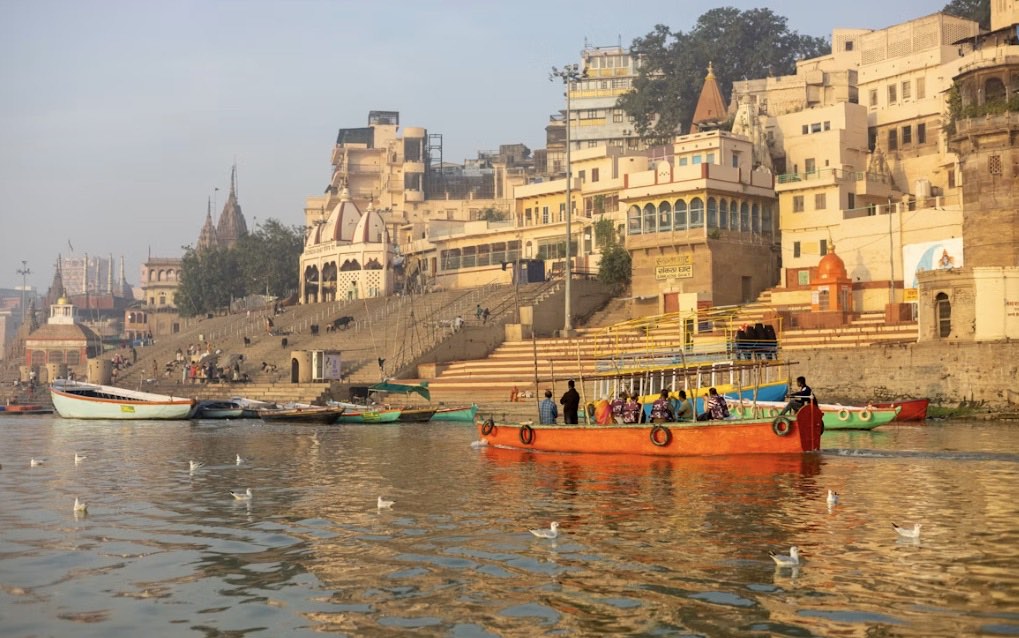
You will read that Varanasi is the oldest living city in the world. That is the traditional claim rather than the archaeological one: the settlement here is dated to somewhere around three thousand years, and Damascus, Jericho and Izmir all have older evidence behind them. What is not in dispute is that it has been lived in without a break the whole time, strung along the Ganges, and that for Hindus it is the most significant ground a person can stand on.
The ghats are the stone steps running down to the river, and the entire life of the city happens on them. People bathe at dawn. People wash their clothes. People are cremated at the burning ghats and given to the water, in the open, all day and all night, alongside everything else.
That is the thing visitors describe, and it is the same thing that undid me about Bali. Nothing is kept in a separate building. The sacred, the ordinary and the dead all share one flight of steps.
I have not been. India shows up on my own astrocartography as a place my work belongs, and I have never once felt in a hurry about it, which is not like me. My sense is that it is a later chapter, and that when I finally go it will be to train rather than to travel.
Mount Kailash, Tibet
Kailas, Tise, Ashtapada & the crown on Coon's map
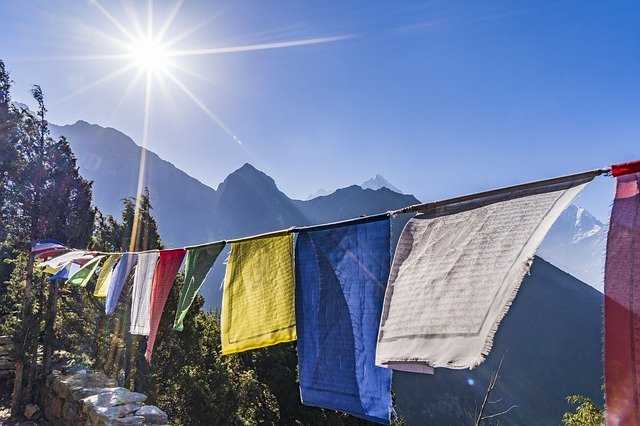
Sacred to four religions at once, which is rare enough to be worth pausing on. Hindus, Buddhists, Jains and followers of Bon all hold Mount Kailash as holy, and pilgrims have walked the circuit around its base for well over a thousand years.
The kora is fifty two kilometres at high altitude, and it is walked clockwise by most traditions and anticlockwise by Bon practitioners. Nobody climbs it. It has never been summited, by agreement, out of respect.
Each tradition calls it something of its own. To Hindus it is where Shiva sits with Parvati, and it is widely read as Mount Meru, the axis the whole universe turns around. Tibetan Buddhists call it Tise and see the mountain as the centre of a natural mandala, the home of Demchok. Bon knows it as Yungdrung Gutsek, the nine storey mountain. Jains call it Ashtapada, the place where Rishabhanatha, the first of their teachers, was released.
There is something in that I find beautiful: a mountain that four traditions who agree on very little have collectively decided to leave alone.
Bali
One of the twelve gates, where both currents are said to cross
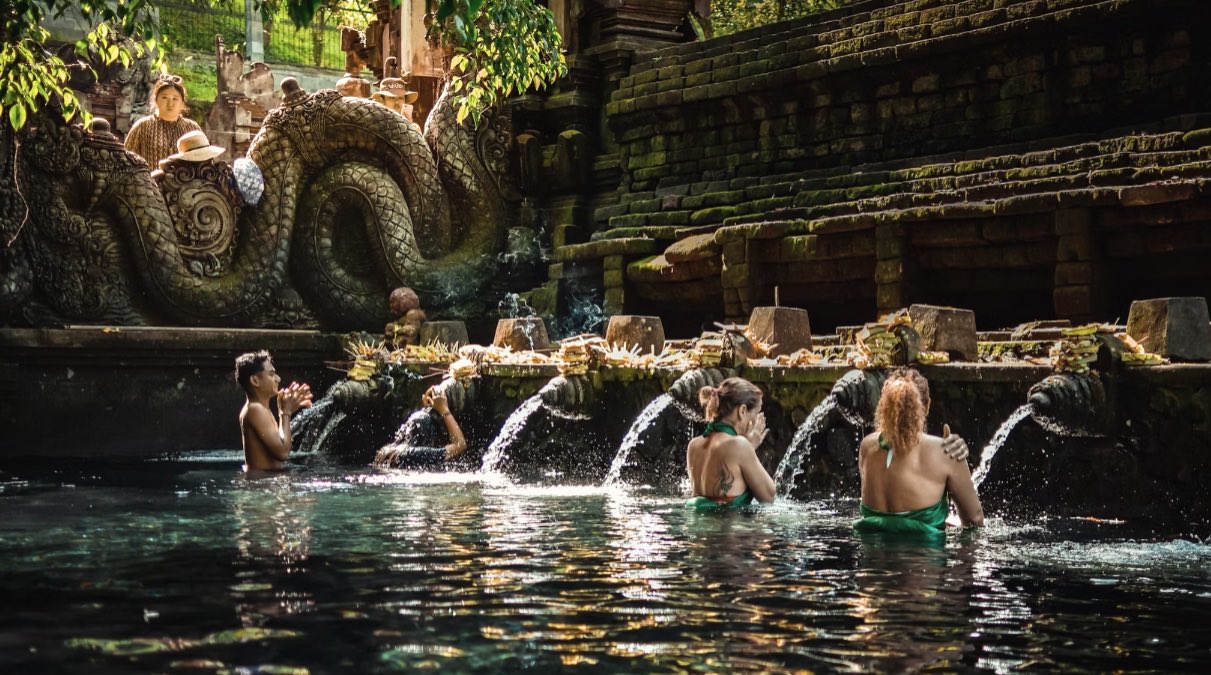
I used to call Bali my favourite. It is not, and I have never worked out why I said it for so long. Significant is the honest word.
Bali is called the island of a thousand temples, and the number is a wild undercount. Offerings are made daily, in the tens of thousands, in doorways and on dashboards and at the foot of trees. What strikes visitors is not any single temple but the fact that the spiritual life of the place is not kept somewhere separate. It is on the pavement. It is happening while you buy fruit.
The sacred geography is real and specific: Uluwatu on the southern cliffs, Mount Batur and Mount Agung, Pura Luhur Batukaru on the slopes, the spring at Tirta Empul where people queue to bathe, Pulaki in the north west. Balinese Hinduism holds each of these in a system of directions and elements, a cosmology with its own scholarship, not a wellness itinerary.
There is a whole direction system underneath it. Kaja means towards the mountain and kelod means towards the sea, and everything from a temple to a doorway is set along that line, with the mountain end the sacred one. Mount Agung is the local Mount Meru, the axis of the world stood up in the middle of the island, and Besakih sits on its slopes as the mother temple. The balance is the point, and they have a name for it: tri hita karana, the three causes of a good life, meaning your relationship with the divine, with each other, and with the land.
I used to spend two or three months a year there, and for a while I taught there, running women's workshops at The Yoga Barn in Ubud. I live in Australia now. Then the pandemic arrived and I got stuck for three years, which turned out to be one of the more fortunate things that has happened to me, because I met the person I have since built a life with.
Maui, Hawaii
Haleakala, which means the house of the sun
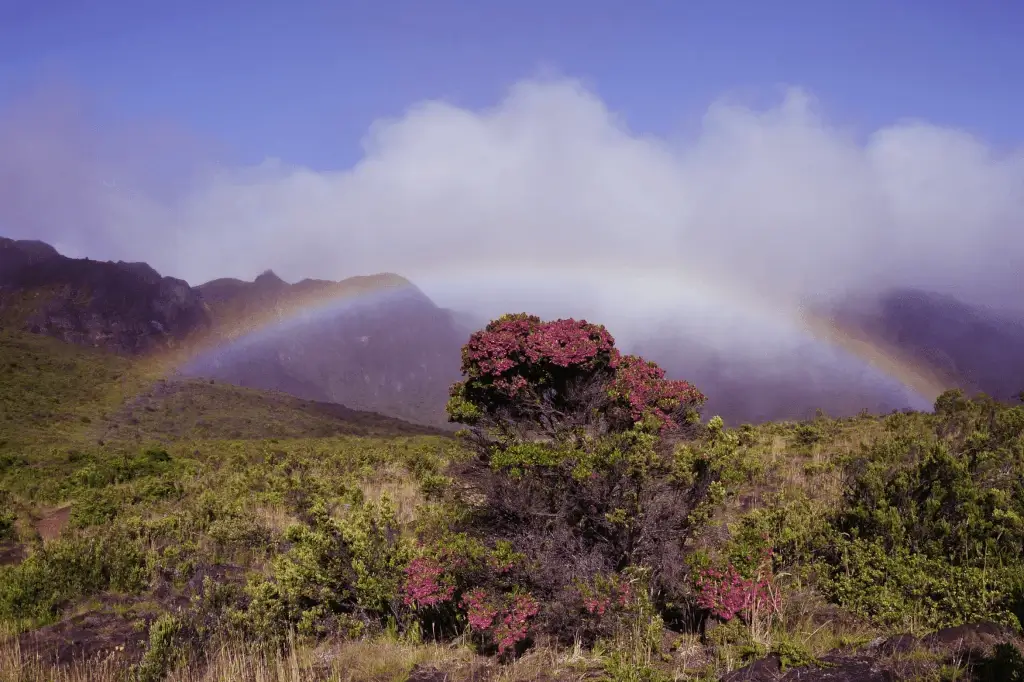
Haleakala makes up about three quarters of the island of Maui, and its name means house of the sun. In Hawaiian tradition it is where Maui snared the sun and slowed it down, so his mother had daylight enough to dry her kapa cloth.
Stand at the top and you understand why somebody told that story. The summit sits just over three thousand metres, and the basin below it runs twelve kilometres long and around seven hundred metres deep, which is enough to hold a city. Above the cloud layer, the light does something nobody describes well, including me.
People get up at three in the morning to be there for sunrise, in the dark and the cold, and everybody who does it says the same thing about it afterwards, which is that they would do it again.
There is a plant that grows on those slopes and nowhere else in the world. The ahinahina, the Haleakala silversword, lives between about two thousand and three thousand metres, takes decades to gather itself, flowers once and then dies.
The summit is wao akua, the realm of the gods, and Native Hawaiians have long gone up there for their most important ceremonies. It also carries ten telescopes, and there is a long argument going on about adding several more. That is worth knowing before you go. The place you are watching the sun come up over is contested ground, and the people it belongs to have been asking the same question about it for a very long time.
I have not been yet. It is high on the list.
Lake Titicaca, Peru
The sacral centre & the birthplace of the sun
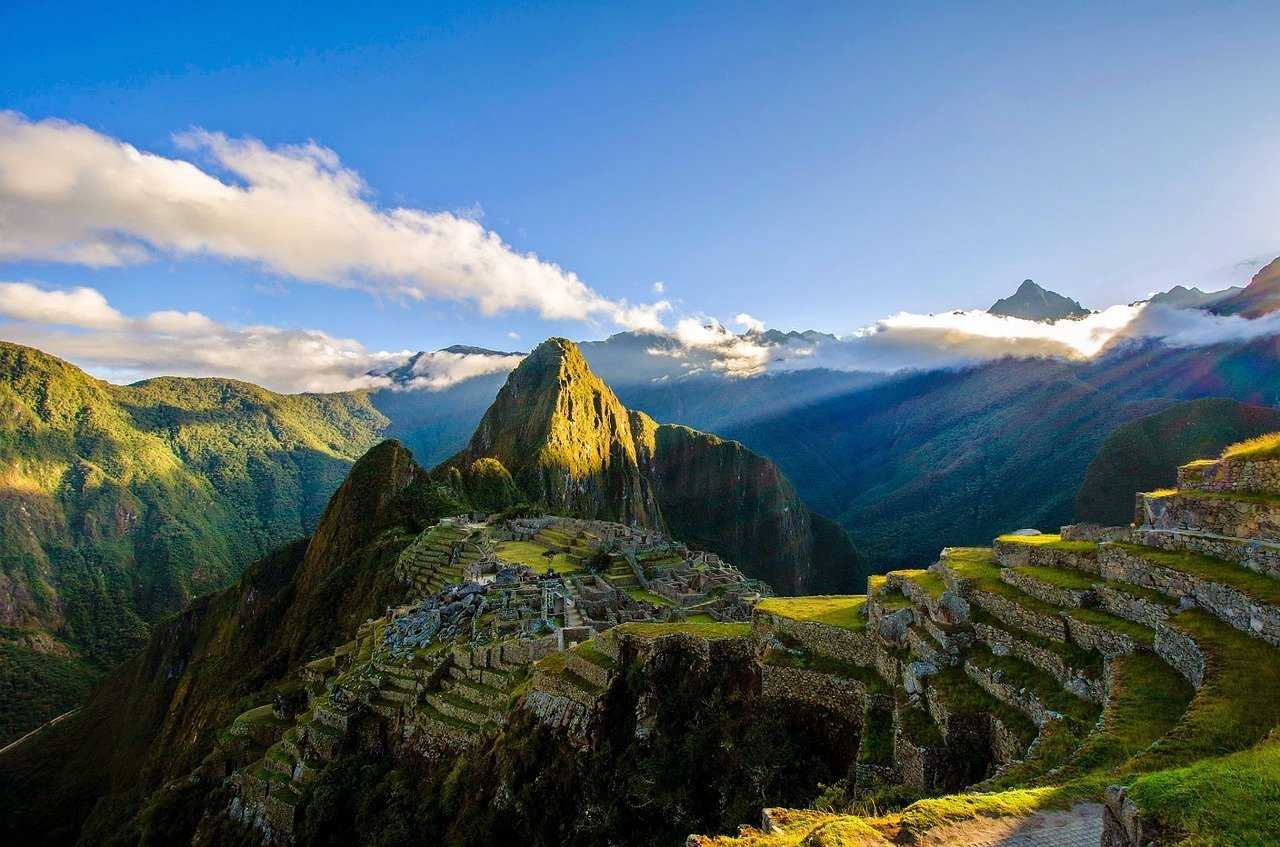
The highest lake in the world that large boats can work, sitting at three thousand eight hundred metres on the border of Peru and Bolivia, and in Inca tradition the birthplace of the sun and of the first Inca.
In the Inca account, Viracocha rose out of this water and made the sun, the moon and the stars. Then Manco Capac and Mama Ocllo came out of the lake carrying a golden rod, and were told to walk until it sank into the ground. Where it sank, they built Cusco. The Island of the Sun sits out in the middle, and Inca rulers made the pilgrimage to it year after year.
A lake as a place of origin is an image that turns up again and again across unrelated cultures, and it is hard not to feel the sense of it when you see the water. Nearby sit Cusco, Machu Picchu and, across the Bolivian border, the ruins of Tiwanaku.
I have not been to Peru, and lately it has started calling me in a way I have stopped arguing with. It has come on strongly over the last while and I think I will be there sooner than I had planned. I did have one experience I still cannot account for: I was in Egypt, a close friend was in Peru, and for several days we each kept feeling the other one, strongly enough that we compared notes afterwards and found the timings matched. I am not going to build a theory on it. I am also not going to pretend it did not happen.
Mexico & Guatemala
Palenque, Teotihuacan, Tikal, Tulum
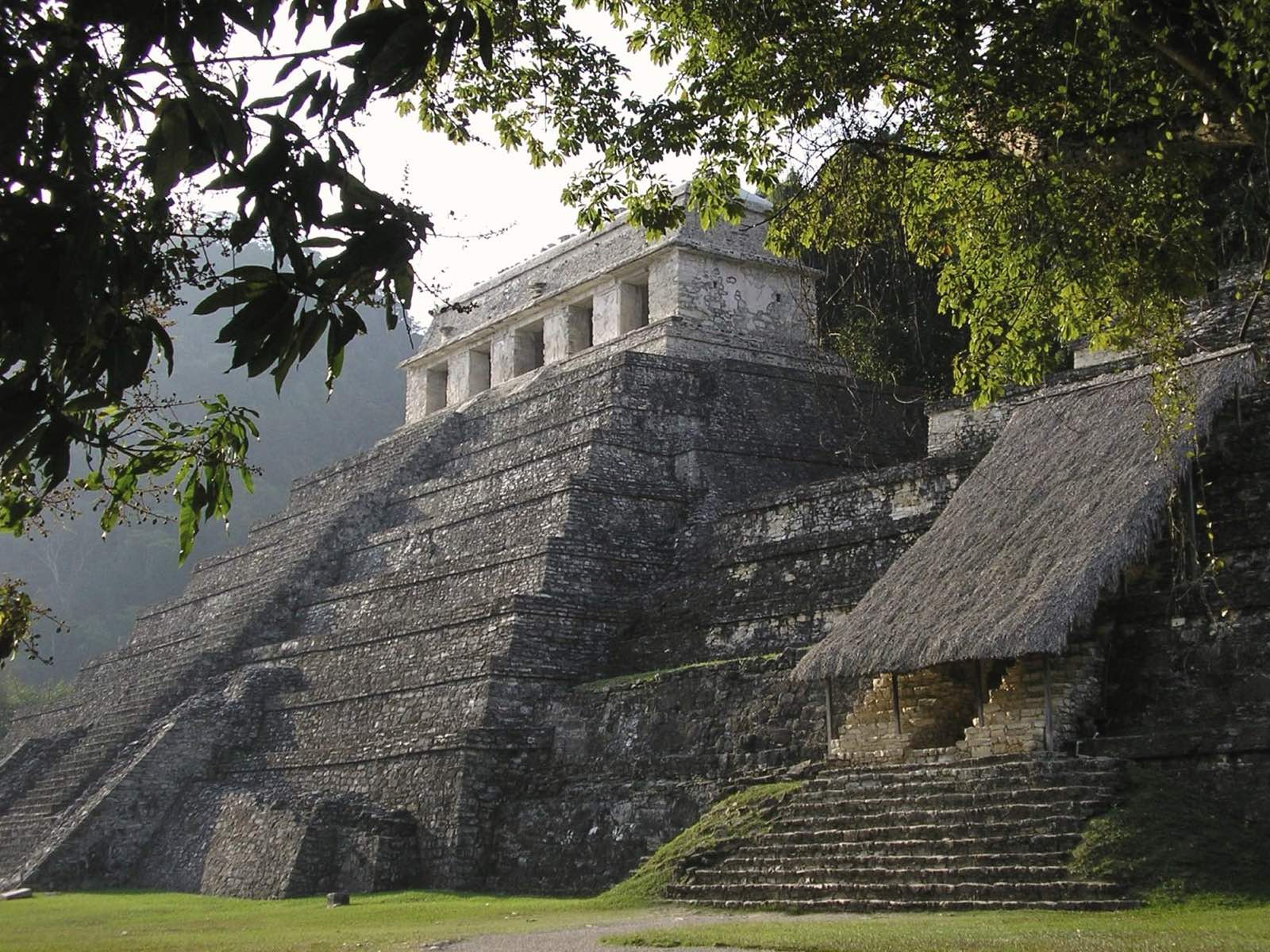
Here is the gap that bothers me. Almost none of these lists include Mesoamerica, and I cannot work out why.
Palenque sits in the jungle in Chiapas, and Coon actually did include it: it is one of his twelve gates, paired with El Tule, the enormous cypress tree in Oaxaca. Teotihuacan is a whole city laid out on one axis with a pyramid of the sun at the end of it, built by people whose own name for themselves we do not know. Tikal comes up out of the canopy in Guatemala. Tulum sits on a cliff above the Caribbean.
I got close to Palenque and for some reason it just never happened, which I am still annoyed about. I did spend time at other sacred sites in Mexico, and what I noticed there was that they do not feel like separate places. You drop into something at one of them and it is still with you at the next. They are very close together, and not in a way you could measure on a map.
Stonehenge, Avalon & Glastonbury
The heart, the one point every version of this map agrees on
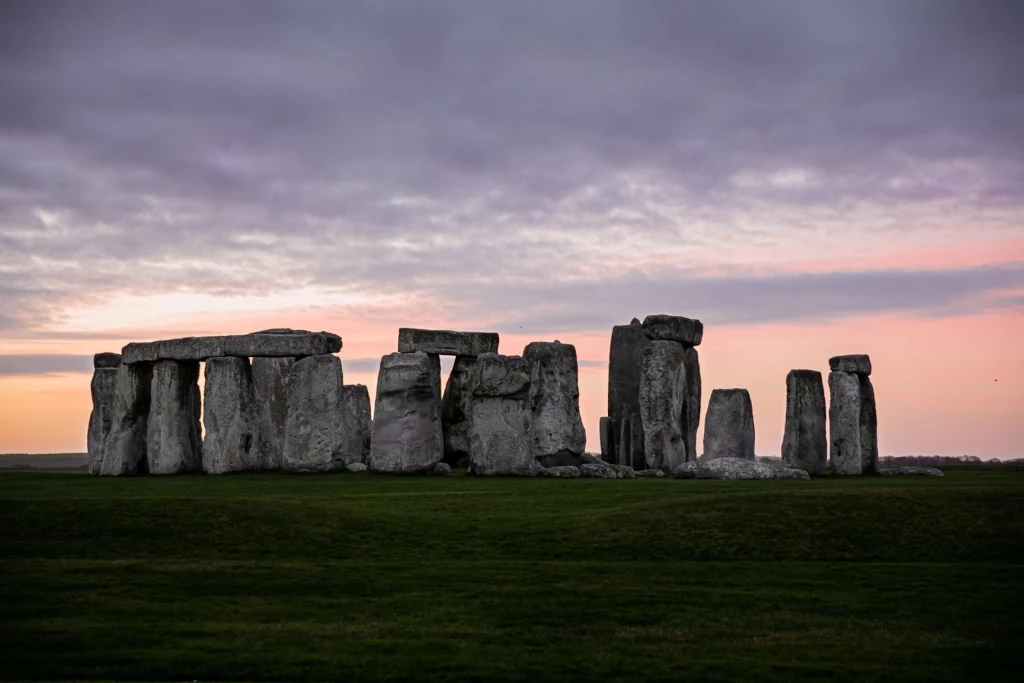
Where this started for me, and where a good deal of me starts too. My mother is Welsh and my father is English, and I was taken to these stones over and over as a child. This is my blood.
Stonehenge was built in stages across roughly fifteen hundred years, and the smaller bluestones were brought from the Preseli Hills in Wales, about two hundred and forty kilometres away. Which means half my family comes from the same ground those stones do. I had no idea of that at twelve. I like it enormously now. It is aligned to the solstices, and human remains were buried there, and beyond that a great deal remains open.
There is also a story about how they got there, and it is the oldest one anybody wrote down. Around 1136 Geoffrey of Monmouth claimed the stones had stood in Ireland first, on a mountain called Killaraus, and that Merlin fetched them. Uther Pendragon took fifteen thousand men to carry them off and could not shift a single one, so Merlin took the circle apart by his arts, moved it across the sea and stood it up again on Salisbury Plain in one night. It is not history. It is nearly nine hundred years old, which makes it old enough to be part of what the place is now.
Glastonbury, sixty five kilometres west, carries the Avalon legends, King Arthur, the Tor rising out of flat land in a way that looks deliberate, and the Chalice Well. Some of that is medieval invention and some of it is older, and the layers have long since grown into each other.
Glastonbury and Avalon I have never properly explored, and I would love to. That whole area is somewhere I want to go slowly, with time set aside for it, rather than passing through on the way to the stones.
I felt so much magic when I explored Stonehenge, and I have never stopped feeling it. There is for sure something greater than us.
More of the most spiritual places on earth
Es Vedra, off the south west of Ibiza, gets called the third most magnetic place on earth after the North Pole and the Bermuda Triangle. Sailors and pilots really do report their compasses going strange near it. Nobody has ever published a measurement though, and the rock is limestone, which is not magnetic.
I did seven summers in Ibiza. I have watched the sun go down behind that rock more times than I could count and it has never once got old. That is me at the top of this page, standing in front of it.
Angkor Wat pulls at me and I have never been. The largest religious monument standing anywhere in the world, raised as a Hindu temple to Vishnu in the twelfth century and then, without anybody tearing anything down, quietly becoming a Buddhist one. The jungle is still holding parts of it. I do not have a reason for wanting to go, which by now you will recognise as the only reason I have ever needed.
Others come up again and again in this conversation: Antigua in Guatemala, Cape Town, Sedona, Jerusalem, Lake Rotopounamu in New Zealand, Mount Fuji, Lake Louise, Newgrange in Ireland, Adam's Peak in Sri Lanka, Bodh Gaya and Mount Sinai.
Perhaps the place that pulls at you is not on any list. That is worth trusting more than the list is, and what you feel and do not process tends to find you in these places whether you booked it in or not. The feeling is the thing, and it does not need a ley line underneath it to be real to you.
There is no ordinary ground. Every part of this earth has been walked and worked and prayed over by somebody long before either of us arrived, and I think it holds every bit of that.
So go where you are called. The place that wants you has a way of letting you know, and learning to hear that is most of the work.
May you travel to every place your heart dreams of.
Keep reading
If you want to go further into any of this, these are worth your time.
Paul Weston on how Glastonbury became the heart chakra, which is the fullest account I found of where the whole idea came from, Coon and Grant both.
Crystalinks on the planetary grid, for the Russian icosahedron and the Becker-Hagens map.
Forever Conscious on earth chakras and ley lines.
The Smithsonian on Gobekli Tepe, if the eleven thousand years stayed with you the way it stayed with me.
Parks Australia on Tjukurpa, which is Anangu law in Anangu words rather than mine.
With love,
Jodie Louise
More on emotions
 Emotions You Don’t Process Can Be the Root of Your Dis-Ease
When was the last time you swallowed an emotion down? Perhaps a conversation that went somewhere you did not want it to go. Perhaps news you were not ready for. Most often, though, it happens in…
Emotions You Don’t Process Can Be the Root of Your Dis-Ease
When was the last time you swallowed an emotion down? Perhaps a conversation that went somewhere you did not want it to go. Perhaps news you were not ready for. Most often, though, it happens in…
 Rose Cacao Ritual: A Ceremonial Cacao Recipe for an Open Heart
Cacao has been close to my heart for as long as I can remember, and Anima Mundi's rose powder is my favourite new addition to it: a quarter of a teaspoon with ceremonial cacao, a little maca, vanilla and hot water, thirty seconds in the blender. My favourite ritual, and the recipe.
Rose Cacao Ritual: A Ceremonial Cacao Recipe for an Open Heart
Cacao has been close to my heart for as long as I can remember, and Anima Mundi's rose powder is my favourite new addition to it: a quarter of a teaspoon with ceremonial cacao, a little maca, vanilla and hot water, thirty seconds in the blender. My favourite ritual, and the recipe.
 The Food Combining Chart: What Goes Together & What to Eat Alone
A food combining chart you can read in a minute and print for the fridge. Which food groups go together, which to keep apart, and what to eat on its own.
The Food Combining Chart: What Goes Together & What to Eat Alone
A food combining chart you can read in a minute and print for the fridge. Which food groups go together, which to keep apart, and what to eat on its own.